Supporting Someone Through Menopause
Menopause marks a significant transition in a woman’s life, often accompanied by various physical and emotional symptoms. Supporting someone through this period requires empathy, understanding, and practical assistance. Here are some ways to be there for them:
1. Educate Yourself Knowledge is power. Learn about menopause, its symptoms, and its impact on daily life. By understanding what they might be going through, you can offer more effective support.
2. Open Lines of Communication Create a safe space for them to talk about their experiences. Whether it’s hot flashes, mood swings, or fatigue, knowing that they can speak freely without judgment is crucial.
3. Be Patient and Empathetic Hormonal changes can lead to unpredictable mood swings and emotional ups and downs. Patience and empathy are essential. A little kindness goes a long way in making them feel understood and supported.
4. Offer Practical Help Simple gestures like helping with household chores, cooking meals, or running errands can alleviate some of the stress they might be feeling. This shows that you care and are willing to help in any way you can.
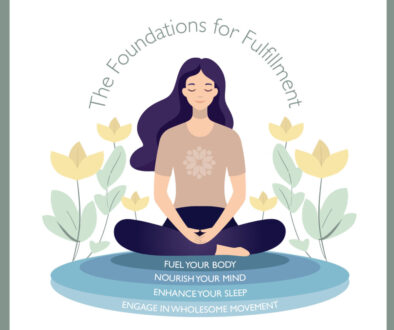
5. Encourage a Healthy Lifestyle Physical activity, a balanced diet, and sufficient sleep can significantly impact well-being. Encourage them to stay active and to explore relaxation techniques like yoga or meditation.
6. Be Mindful of Their Comfort Menopause often brings discomfort like night sweats and hot flashes. Small changes, such as providing fans, cooling pillows, or lightweight bedding, can make a big difference.
7. Respect Their Boundaries Everyone experiences menopause differently. Respect their boundaries and be mindful of their need for personal space and time.
8. Celebrate Their Strength Menopause can be challenging, but it’s also a testament to their strength and resilience. Celebrate their journey and remind them of how far they’ve come.
Supporting someone through menopause isn’t about fixing their problems but being there for them as they navigate this transition. It’s about showing compassion, understanding, and love every step of the way.